
Common
You can check thisDead batteries
Many thermostats run their display on batteries even when they're wired. Weak batteries cause a blank screen or erratic behavior.
Routine
A blank or unresponsive thermostat is usually a power problem. Dead batteries are the simplest cause. Otherwise a tripped breaker, float switch or blown fuse at the air handler is cutting power to the thermostat circuit. If the screen works but the AC doesn't respond, check the mode and schedule, then the wiring or the equipment itself.
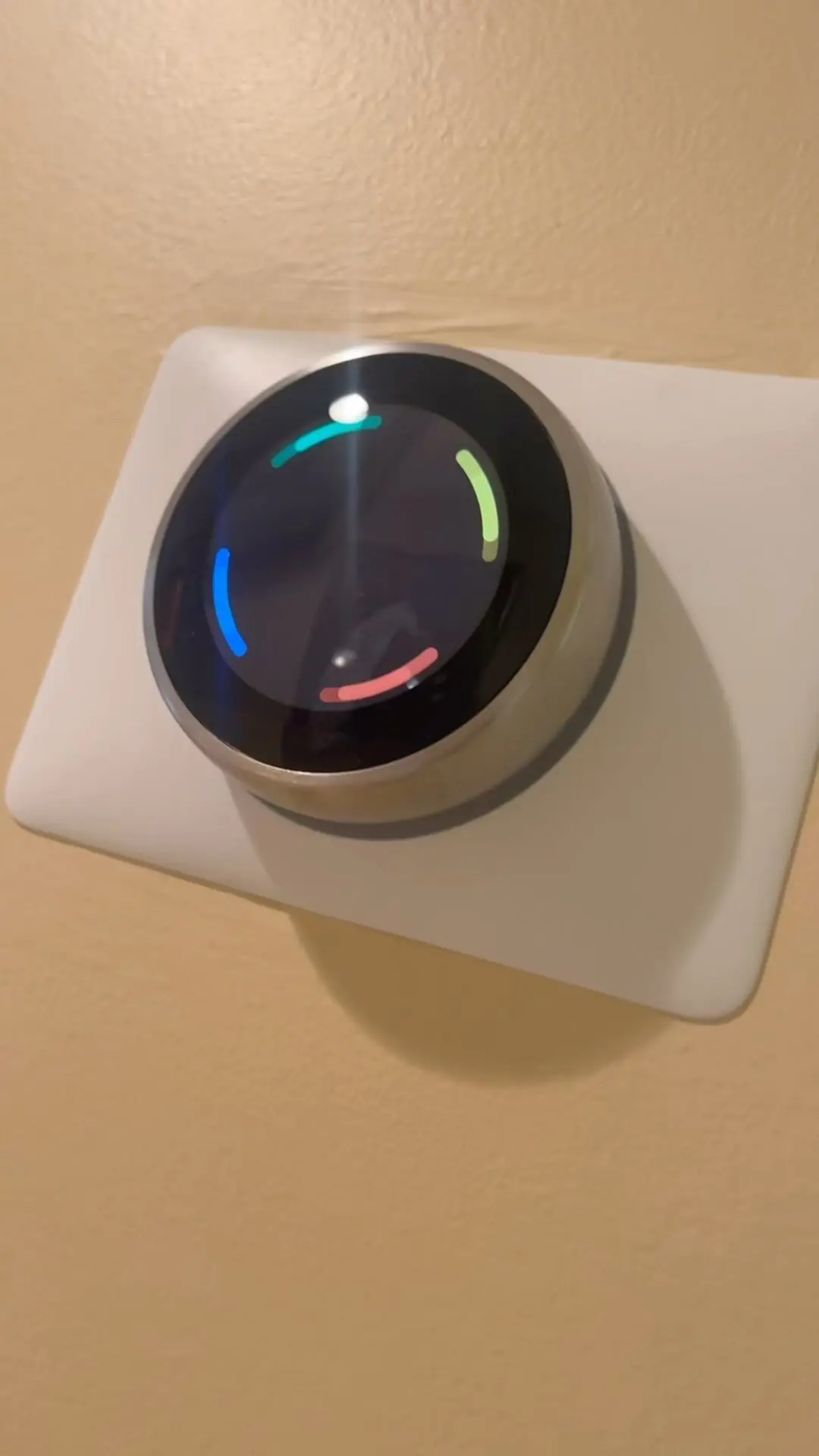
Batteries, settings and a tripped float switch account for a lot of thermostat calls. Work through these in order.
Replace the batteries.
The most common cause of a blank screen.
Set the mode to Cool and the temperature a few degrees below the room, and cancel any hold or schedule.
Rules out settings.
Check the air handler's breaker and look for water at the float switch.
Either one can cut power to the thermostat.
If the problem started right after a new thermostat was installed, note that for the technician.
Wiring compatibility is a common cause with smart thermostats.
Pick a cause to see how likely it is and who can deal with it.
Common
You can check thisMany thermostats run their display on batteries even when they're wired. Weak batteries cause a blank screen or erratic behavior.
Common
You can check thisMost thermostats get low-voltage power from the air handler. A tripped breaker, a float switch shut off by a clogged drain, or a blown control fuse cuts that power, and the thermostat goes blank.
Common
You can check thisWrong mode, a hold or schedule, an eco or away setting, or a setpoint above room temperature all look like a broken thermostat.
Occasional
Technician fixA wire pulled loose behind the wall plate, a damaged cable, or a smart thermostat installed without the power wire it needs can make the thermostat lose power or fail to call for cooling.
Occasional
Technician fixThermostats do fail. One mounted in sun, near a supply vent or on an outside wall can also control the AC badly even when it works.
A thermostat doesn't power anything itself. It switches a low-voltage signal that starts each part of the system.
Turn the system off and call a technician if:
A thermostat measures the air right where it hangs, then decides for the whole house. If that spot isn't typical, say next to a supply vent, in afternoon sun, or near a lamp, a TV or the kitchen, it reads warmer or cooler than the rooms you live in, and the system runs too long or shuts off too soon.
A better spot is an inside wall in a room you use, away from vents, windows, doorways and heat-producing appliances. Moving one means moving its wiring too, so it's worth doing alongside other work rather than on its own. If the trouble started right after a new thermostat went in, the first thing to check is the wiring, including whether the new model needs a common (C) wire.
If the screen shows an error message, a photo of it sent through Text a Tech before the visit helps the technician come prepared. On site, the technician checks for low-voltage power at the air handler and at the thermostat, tests each control wire, and confirms the equipment responds when cooling is called for directly. Then the wiring, fuse or thermostat is repaired or replaced, or the thermostat is moved to a better spot. Free service call with repair.
Most often dead batteries. If new batteries don't fix it, the thermostat may have lost power from the air handler because of a tripped breaker, a float switch shut off by a clogged drain, or a blown control fuse. The last of those needs a technician to find the short that blew it.
Membership
$299 per year
See what the plan includesFlorida license CAC1821225