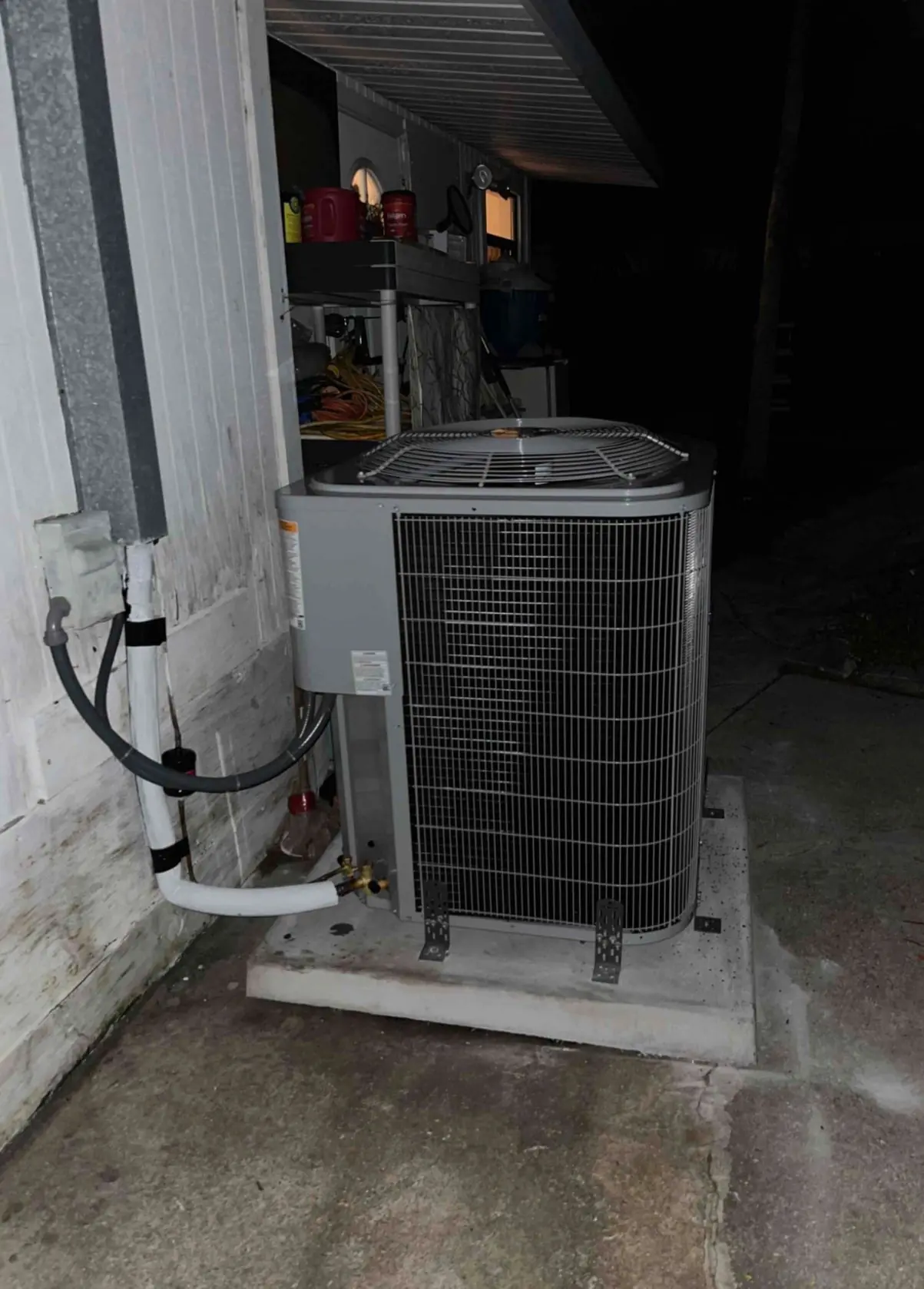
A heat pump is an air conditioner that can also run in reverse. In cooling mode, which is most of the year in Broward County, it does exactly what a central AC does. Refrigerant picks up heat at the indoor coil, carries it outside, and the outdoor unit releases it. A reversing valve lets the same equipment move heat the other way on the nights you want warmth.
That makes the decision simpler than it sounds. You're not choosing between two different kinds of cooling. You're choosing whether the outdoor unit should also be able to warm the house efficiently, and paying for the extra parts that make that possible.
What matters most here is still cooling performance. Two ratings tell you about it. SEER2 reflects efficiency across a cooling season, and EER2 reflects efficiency at a single hot test condition, closer to a July afternoon in Broward. Both replaced the older SEER and EER numbers in 2023, when the federal test procedure changed, so compare SEER2 to SEER2 and not to the rating on a ten-year-old unit.
Sizing comes before any of that. A heat pump picked by square footage alone is often oversized, and an oversized system cools the air quickly and shuts off before it has removed much moisture. That's the clammy-but-cold house many people know, and a system that cycles on and off constantly is one symptom of it.